Belonging Is Something We Build
Identity Through Place, Community & Appearance
Before anything else, I want to say this plainly: I condemn the actions of ICE and remain committed to creating spaces where people feel safe to exist, regardless of where they come from, where they live, or how they look. The ability to belong should never be conditional.
Lately, I’ve been thinking about identity. Not just who we are, but how we become who we are. I’ve come to understand identity as something we build: through the places we come from, the communities we choose, and the ways we allow ourselves to appear in the world.
These forces are always in conversation, shaping how we understand ourselves and how others understand us in return. For me, that understanding begins with where my family first learned how to belong in this country.
Where We Come From
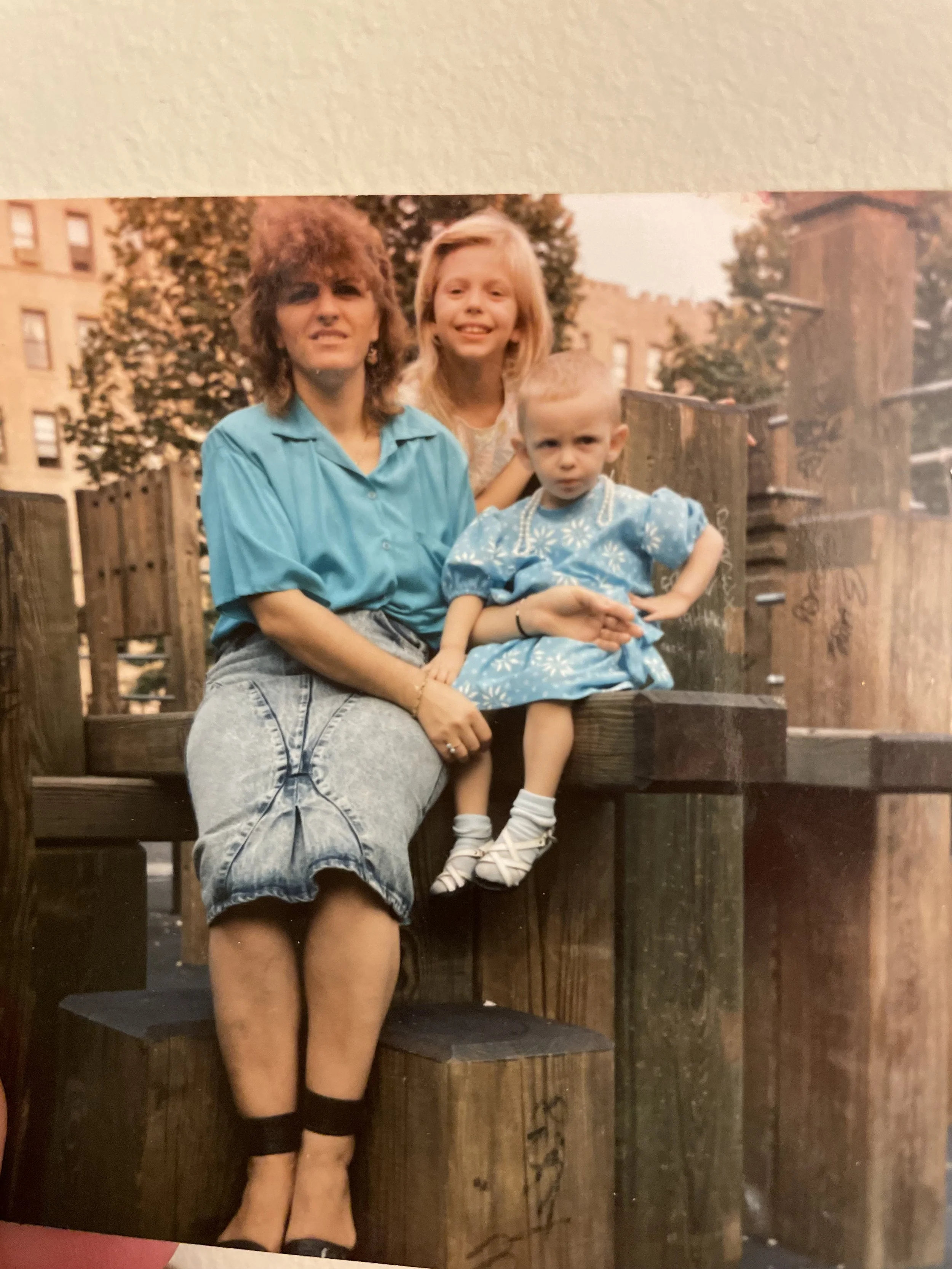
My family immigrated to the United States in 1975, searching for economic opportunities that weren’t available to them in socialist and communist Yugoslavia. Like so many immigrants before them, they followed a familiar path and landed in Little Italy in the Bronx.
Little Italy wasn't just a neighborhood. It was a diaspora enclave: a place where people intentionally recreated cultural, social, and economic environments from home while learning how to live in a new country. Like Chinatown and other ethnic enclaves across New York City, it preserved language, food, traditions, and shared values while people navigated life in a new country.
By the 2000s, after many waves of migration, the neighborhood had evolved into a multicultural community inhabited by Asian, Hispanic, Black, and Albanian residents. I was fortunate to grow up coexisting within that density of cultures on a single block.
Growing up there meant growing up inside intentional community building.
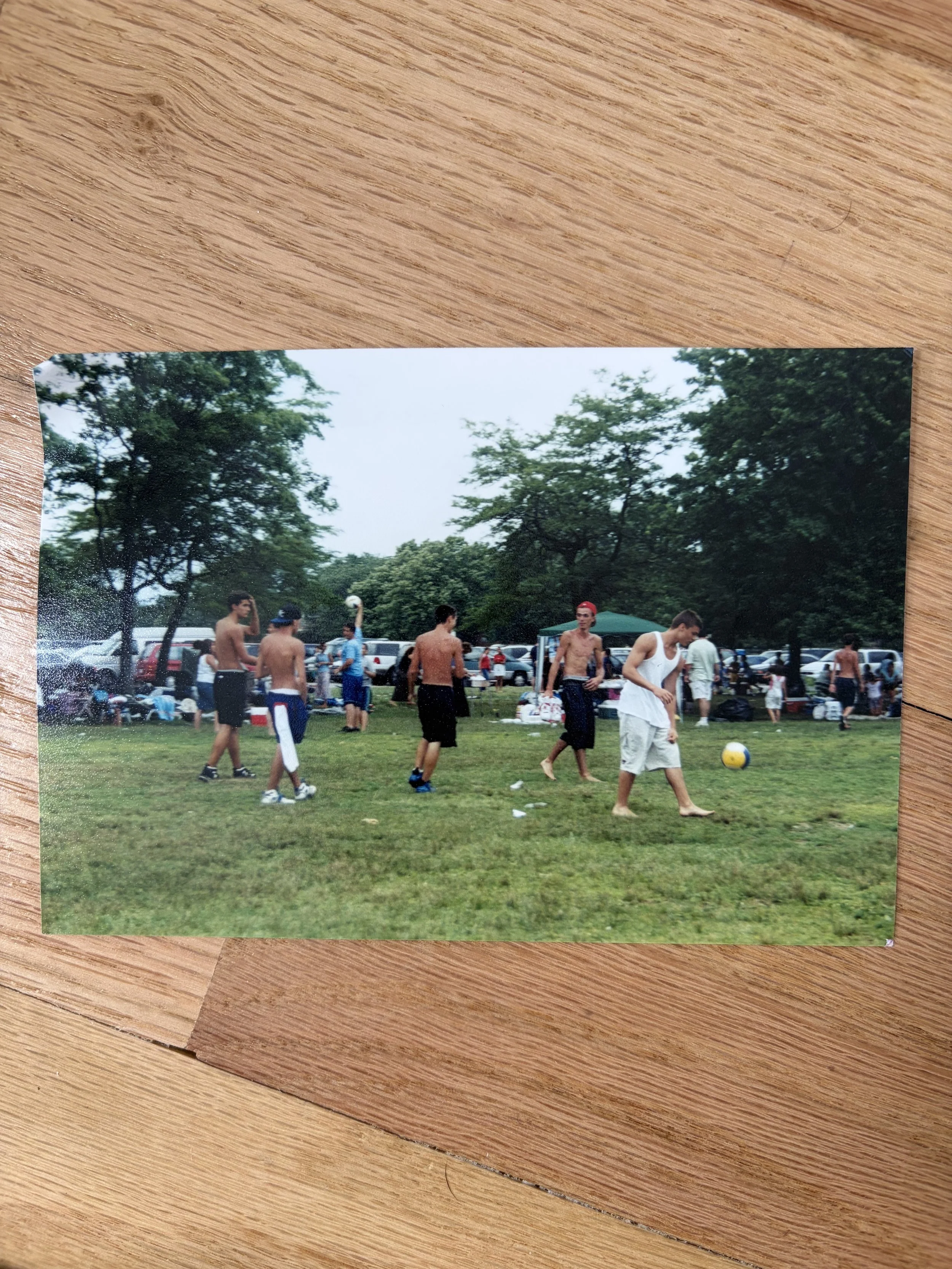
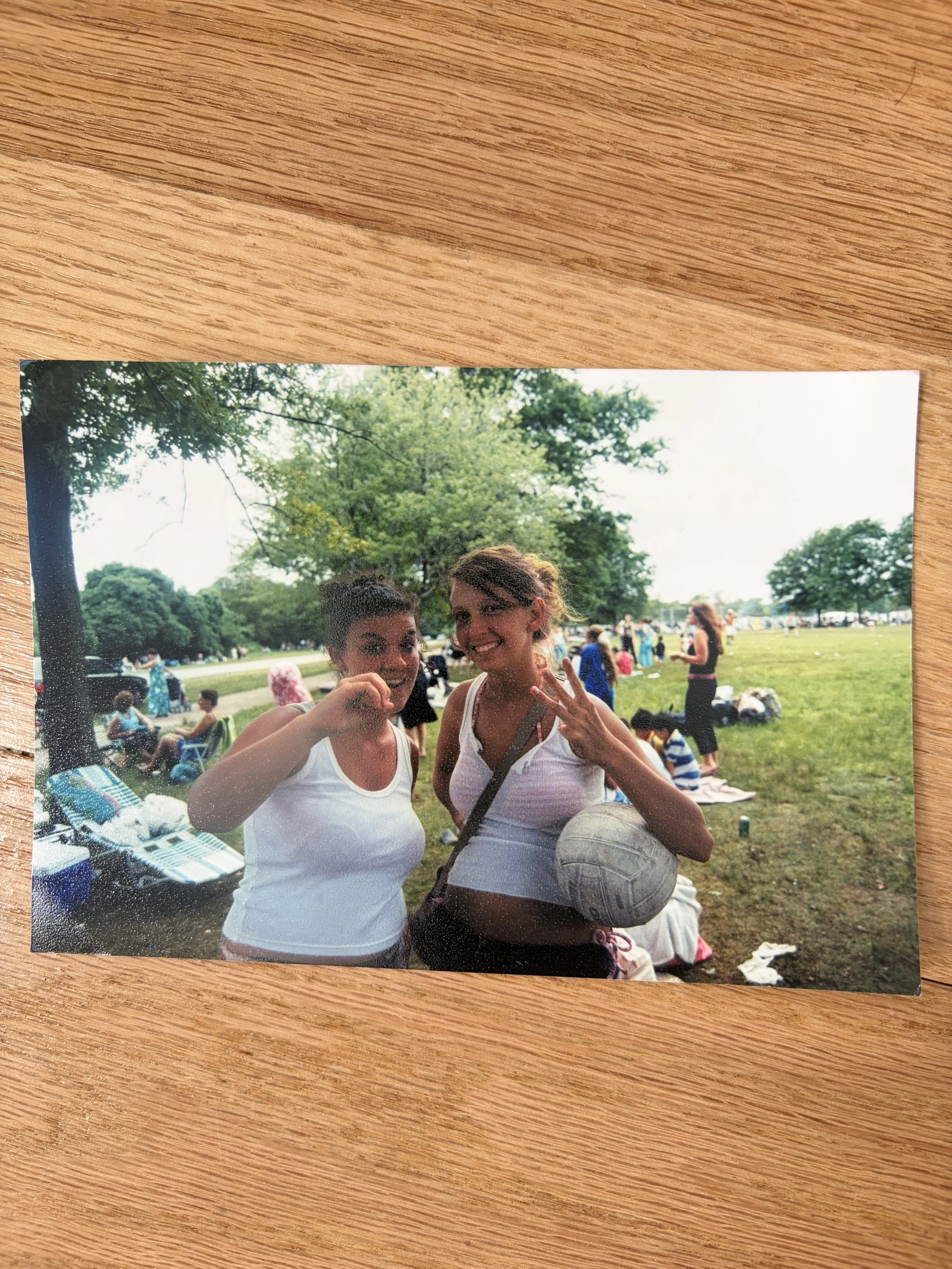
Every summer, my father organized Sunday soccer games with our Balkan community at Sunken Meadow Beach on Long Island. Families from Montenegro, Kosovo, Bosnia, and Albania reunited week after week to picnic, barbecue, and swim all the while newer generations integrated with the old. I never wanted to miss a Sunday at the beach with my dad and our community.
I learned early that identity isn’t only inherited; it is nurtured collectively. It is protected and reshaped through shared culture, mutual support, and the comfort of being surrounded by people who understand your story without needing it explained.
Belonging, I realized, was something people built together long before I understood I would one day try to build it myself.
Where We Choose to Root Ourselves
Around 2007, as I began choosing my own path, I gravitated toward North Brooklyn and Queens. I followed education, music, friendships, and creative curiosity. What I found there became my second enclave.
This was my introduction to a millenial counterculture. The conversations centered around class, feminism, race, and art. Community here wasn’t defined by ancestry or geography but by shared values and creative expression.
I found belonging in DIY art spaces, music venues, and friends’ kitchens where we cooked and drank together late into the night. We worked odd jobs and in restaurants washing dishes and serving tables. These environments gave people permission to explore identity in real time, without pressure to conform to traditional markers of success.
Hair quietly entered that conversation for me. Behind the chair, I began meeting people who weren’t trying to smooth themselves into trends or conventional beauty standards. They wanted their individuality to exist visibly. They wanted their imperfect features to remain intact. They wanted their natural hair texture to be honored, not corrected.
Listening to them changed how I understood beauty and ultimately how I practiced hair.
I became drawn to serving the outlier. The person who never felt fully at home in traditional salon environments. I came to understand that how people wanted to live and how they wanted to look were deeply connected. Belonging started to feel less like something I was born into and more like something I could choose.
How We Choose to Appear
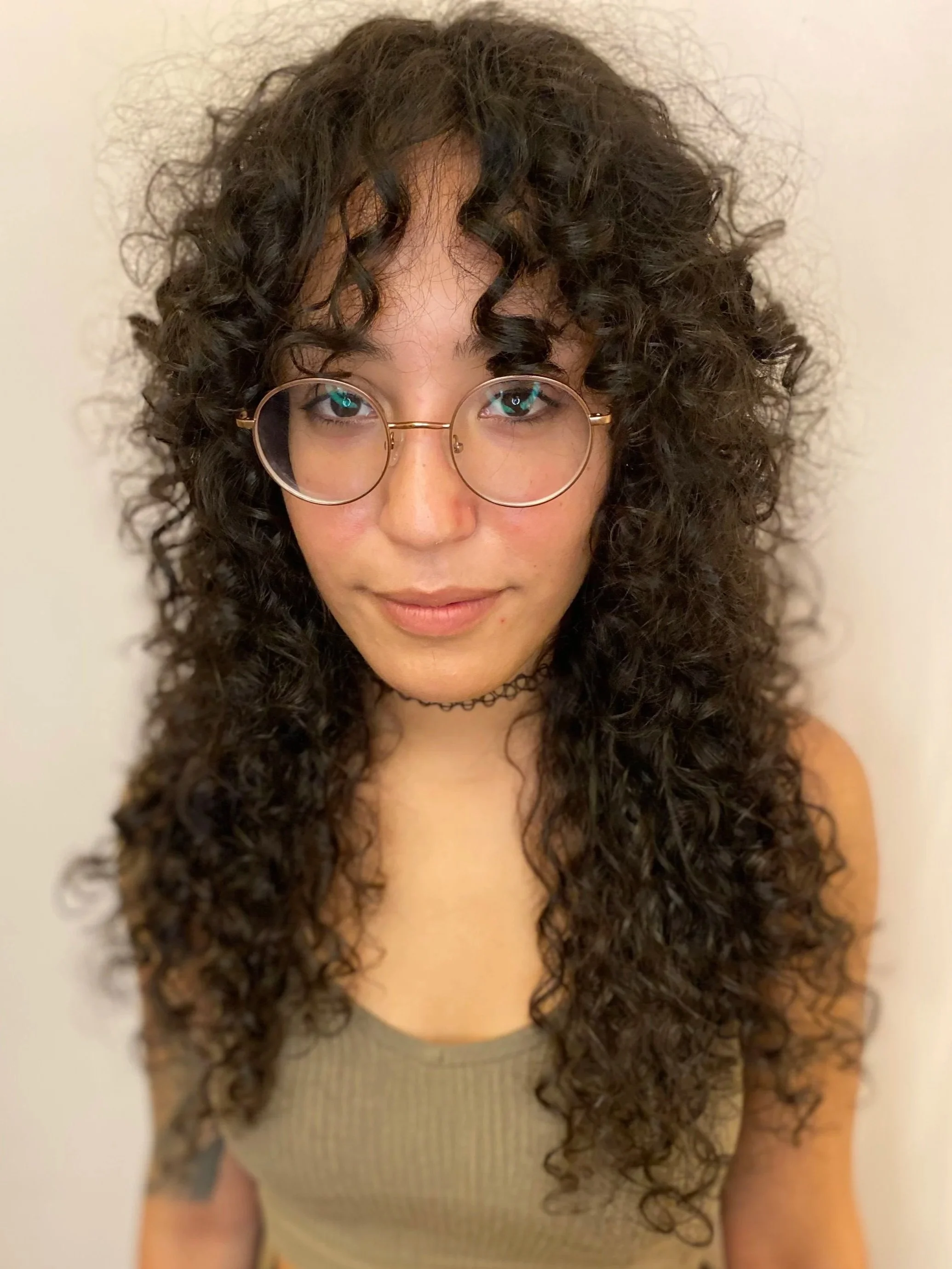
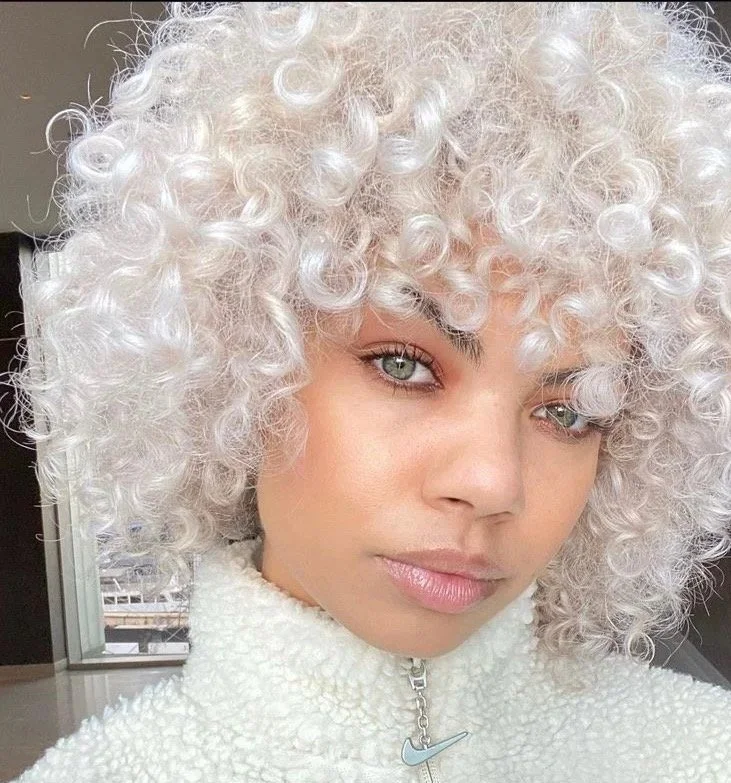
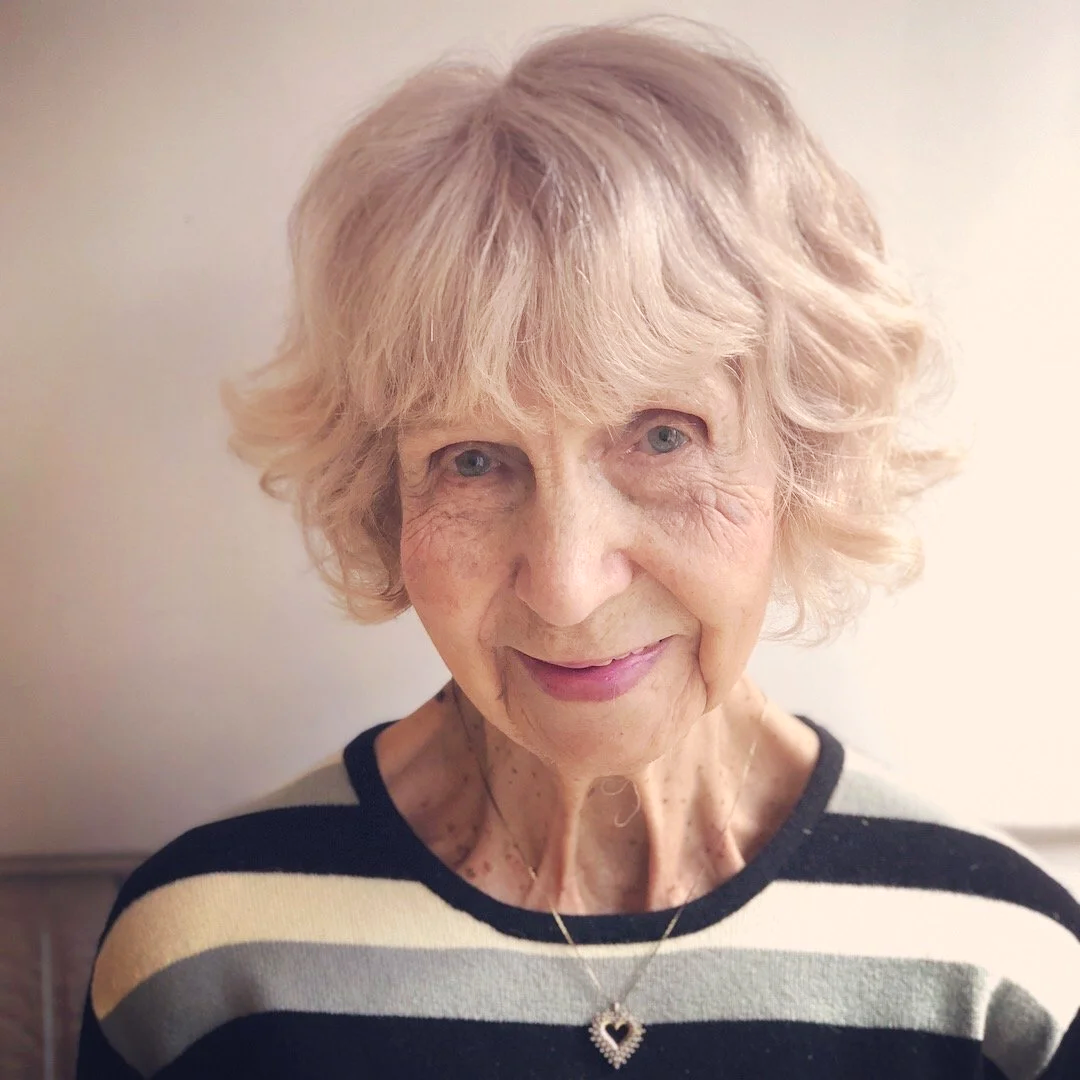
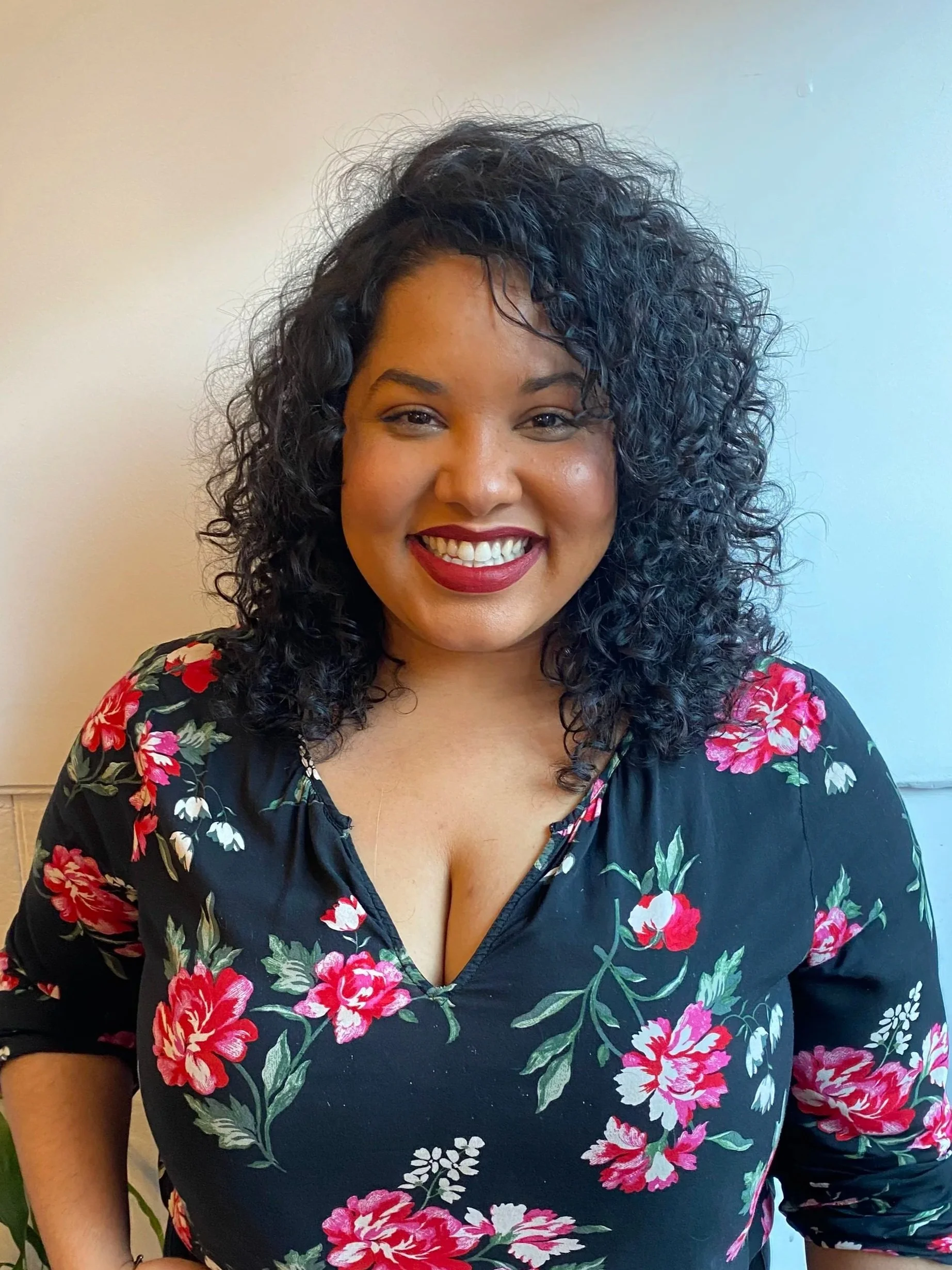
Specializing in curly hair wasn’t just a technical decision. It was an ideological one.
For much of modern beauty history, natural texture like curls, coils, and waves have been treated as something to manage, suppress, or reshape into Eurocentric standards. Many of my clients (and honestly many of us) grew up believing flat, smooth hair was the “polished” or “professional” option, while texture was framed as chaotic or unrefined.
In "Hair Story: Untangling the Roots of Black Hair in America”, Ayana Byrd and Lori L. Tharps explore hair as a metaphor for the American experience and the societal pressures surrounding “good hair.” Textured hair sits at the intersection of race, power, economics, and self-worth.
Over time, cultural conversations began to shift. We started examining how colonization and assimilation shaped beauty standards. We began recognizing how often identity was erased in the pursuit of appearing acceptable.
Natural texture became more than a style choice. It became a reclamation.
I watched clients rediscover themselves simply by seeing their hair exist as it naturally grows. That process is deeply emotional and deeply personal. Hair holds memory, culture, and self-perception in ways that are often underestimated.
Choosing how we appear is, in many ways, choosing how we belong and sometimes appearance is the first place belonging becomes visible.